…and that is exactly why your current email strategy is failing to keep them engaged. I see store owners treating mobile alerts like a megaphone, screaming into the void while the customer just wants to finish their grocery run.
We need to stop thinking about push notifications as free ad space. If you treat them as a conversation instead of a billboard, your conversion rates will climb without the user hitting block.
The math behind the notification fatigue
Most ecommerce stores see email open rates hovering between 2 and 5 percent on a good day. It is crowded, messy, and buried under dozens of newsletters and bank statements.
Push notifications on a native app typically see open rates ranging from 40 to 70 percent. The gap is massive because a phone screen provides a singular, focused experience that a cluttered inbox simply cannot match.
MetricEmail MarketingPush NotificationAverage Open Rate2-5%40-70%Delivery SpeedDelayedInstantUser FrictionHighLowPlatform OwnershipLowHigh
Think about the last time you bought electronics online. If an app tells you your order shipped or a item is back in stock, you see it instantly. Email usually goes to a tab you check maybe once every forty-eight hours.
Focus on the post-purchase experience
The biggest mistake is sending only promotional sales alerts. Your customers do not want to see 20 percent off coupon codes every Tuesday morning.
Use notifications to solve genuine post-purchase anxiety. Tell them exactly where their package is or confirm their loyalty points were added.
Concrete examples of utility alerts
-
Shipping status updates
-
Restock alerts for specific size/color combinations
-
Order confirmation summaries
-
Personalized loyalty milestones
-
Flash sale reminders for abandoned carts
When you provide utility, the user keeps notifications enabled. When you provide spam, they delete your app faster than they unsubscribe from a newsletter.
Timing matters more than the message
Sending a notification at 3 AM because your team is in a different time zone is a disaster. Respect the user’s circadian rhythm if you want to stay on their device.
A Shopify store owner I spoke with recently noticed their highest engagement happened between 6 PM and 8 PM. That is when their customers are actually lounging on the couch, scrolling through products.
Use local time zone delivery settings whenever possible. If you cannot do that, pick one time window and stick to it religiously so your users know what to expect.
Segmentation is not optional
Sending the same message to a loyal customer who buys weekly and a customer who hasn’t logged in for six months is poor practice. You are essentially burning your bridge with one of those segments.
Create specific lists based on their behavior or order history. Only notify people who actually liked the specific category of items you are promoting.
Push notifications should feel like a personal text message from a friend, not a cold call from a telemarketer.
Keep the copy brief and actionable
You have very little space to work with on a lock screen. Do not try to write a full paragraph explaining why your new skincare line is great.
Get to the point immediately. Use active verbs and clearly define what happens when they tap the notification.
-
Use the alert to deep-link to the product.
-
Do not send them to the home screen.
-
Avoid overly clever or cryptic subject lines.
-
Include a clear call to action in the alert text.
-
Test lengths to see what fits on Android versus iOS.
The power of the deep link
Nothing kills conversion faster than a notification that opens your home page instead of the product you mentioned. It creates a secondary hurdle the user has to jump over.
Every notification must lead directly to the item or the specific cart page. If you mention a 15 percent discount on coffee beans, the app should open the coffee bean collection immediately.
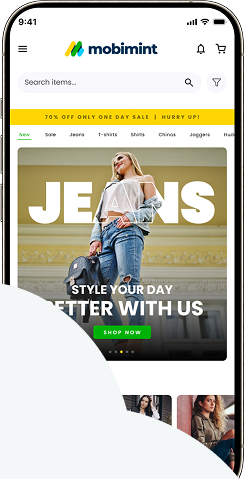
Apps like the ones we build at Mobimint handle this deep linking automatically to ensure the journey is short. Reducing taps is the secret to increasing revenue from mobile traffic.
What I am testing next
I am currently experimenting with A/B testing notification copy that is deliberately boring. I suspect that overly hype-driven copy triggers a natural defensive mechanism in users.
I want to see if dry, factual updates like ‘Your order has left our warehouse’ perform better than ‘Hurry, your items are waiting!’. If you have thoughts on this or want to see how we are setting up these automated flows, just reply to this email.
Takeaway
Push notifications are a privilege, not a right that you own forever. Start by providing pure value and you will see your mobile retention rates climb steadily. If you are curious about how these notification flows look inside a live store, feel free to drop me a note.